
Facing Premature Menopause: Understanding, Coping, and Hope
Updated: Jun 14, 2024

Premature menopause, also known as premature ovarian insufficiency (POI), occurs when a woman's ovaries stop functioning before the age of 40. This early cessation of ovarian activity can bring a range of physical and emotional challenges. Understanding premature menopause and its impact, is crucial for those affected and their loved ones. Here’s a deep dive into what premature menopause means for women and the available options for management.
In the UK, it is estimated that around 1% of women under 40 experience premature menopause. This translates to roughly 110,000 women aged between 12 and 40. The onset of menopause before the typical age range of 45-55 can be a shock, with significant implications for health, fertility, and overall quality of life.
Premature menopause brings many of the same symptoms as natural menopause, but these can be more intense due to the sudden hormonal changes. Key implications include:
Health Risks:
Bone Health: Early menopause increases the risk of osteoporosis due to decreased oestrogen levels, which are crucial for maintaining bone density.
Heart Health: Oestrogen also plays a protective role in cardiovascular health, so early menopause can heighten the risk of heart disease.
Mental Health: The abrupt hormonal shift can lead to mood swings, anxiety, depression, and cognitive challenges like memory lapses and difficulty concentrating.
Fertility Concerns:
Infertility: Premature menopause often results in infertility, as the ovaries no longer release eggs regularly. This can be devastating for women who wish to have children and are suddenly faced with this reality.
Emotional and Social Impact:
Emotional Strain: The unexpected onset of menopause can cause significant emotional distress. Women may feel a sense of loss, especially regarding their fertility and the sudden change in their life stage.
Social Stigma: There may also be a sense of isolation or misunderstanding from peers who are not experiencing similar changes.
Currently, there is no way to reverse premature menopause. However, several treatments can help manage symptoms and reduce associated health risks:
Hormone Replacement Therapy (HRT):
HRT can alleviate menopausal symptoms such as hot flashes, night sweats, and vaginal dryness by supplementing estrogen and progesterone levels. HRT can also help protect against osteoporosis and cardiovascular disease, conditions for which women with premature menopause are at increased risk.
Fertility Options:
Egg Donation: For women who wish to conceive, egg donation is a viable option. It involves using an egg from a donor, fertilizing it with the partner's sperm, and implanting it in the uterus.
IVF and Surrogacy: In vitro fertilization (IVF) with donor eggs and surrogacy are other potential paths for women to achieve pregnancy.
Lifestyle Adjustments:
Diet and Exercise: A healthy diet rich in calcium and vitamin D, along with regular weight-bearing exercise, can help maintain bone health and overall well-being.
Stress Management: Practices such as yoga, meditation, and mindfulness can alleviate stress and improve emotional health.
Support Networks:
Counselling and Support Groups: Emotional support through counselling and joining support groups can be incredibly beneficial. Sharing experiences with others facing similar challenges can reduce feelings of isolation and provide coping strategies.
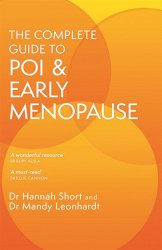
Premature menopause is a life-altering condition that affects around 110,000 women in the UK, bringing a range of physical, emotional, and social challenges. While it cannot be reversed, understanding its implications and exploring treatment options can help manage symptoms and maintain quality of life. Hormone replacement therapy, lifestyle changes, and emotional support are critical in navigating this condition. By raising awareness and fostering supportive communities, we can help women facing premature menopause lead healthier, more fulfilling lives.


Comments